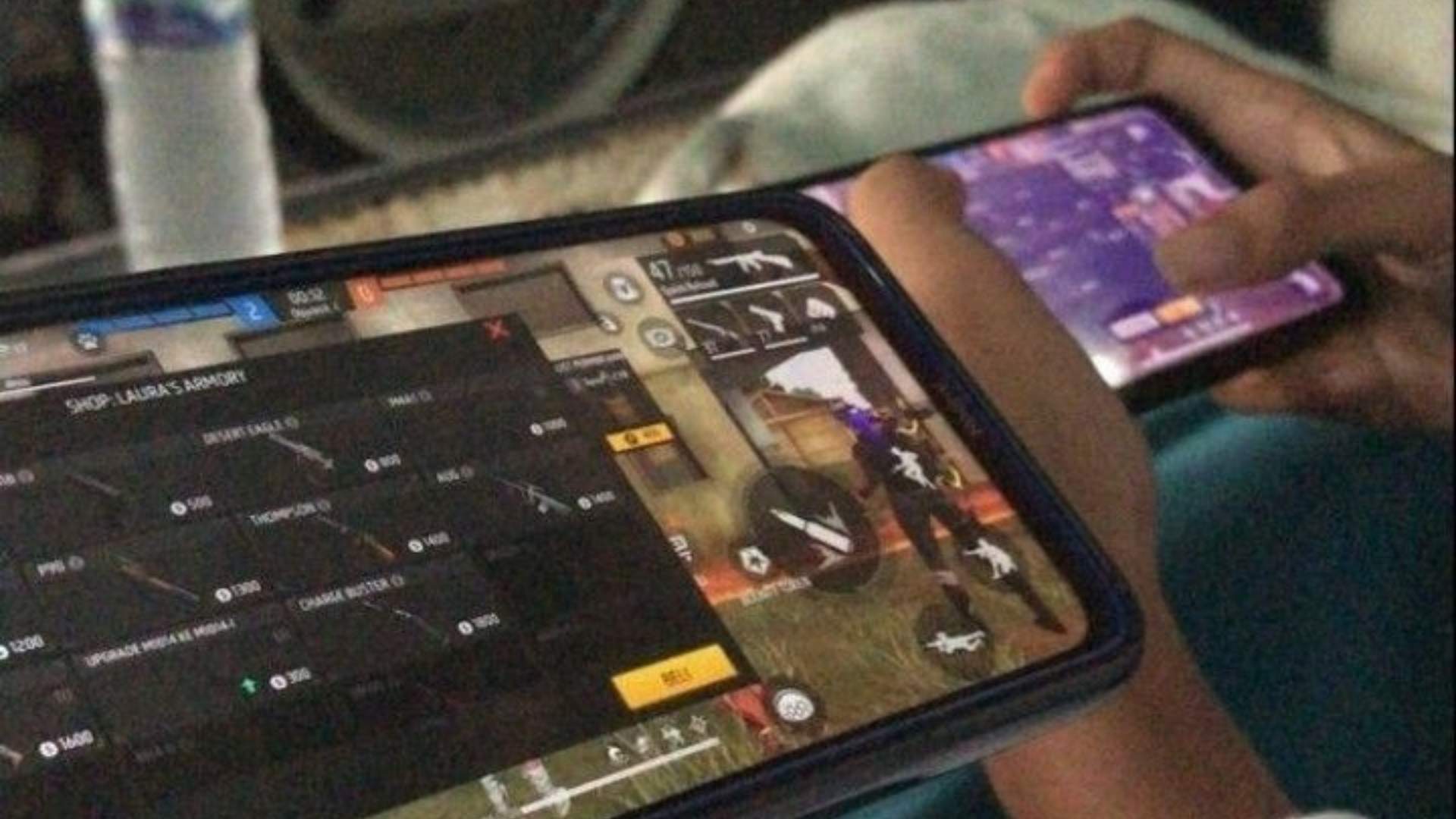
Gathering on a shared couch for a cooperative gaming session remains an incredibly popular way to experience modern cooperative shooters. When Turtle Rock Studios launched their spiritual successor to the legendary Left 4 Dead franchise, millions of players immediately wondered how they could team up locally. Understanding the exact state of the local multiplayer landscape helps families and friends manage expectations before diving into the zombie apocalypse.
The Core Campaign Design and Local Accessibility
The entire campaign structure relies heavily on deep strategic coordination, card mechanics, and adaptive AI director shifts. Unfortunately, the developers built the foundational architecture exclusively around dedicated full-screen perspectives for individual users. This core design choice means that local couch play options are absent from the retail product entirely.
Players looking to execute tactical maneuvers alongside their friends must utilize individual setups rather than a shared display. The lack of a native display division system surprised many legacy fans who expected classic local options out of the box. Consequently, exploring alternative connectivity methods is mandatory for groups wanting to purge the infected together.
Online Cooperative Alternatives and Crossplay Mechanics
While local display division is not supported, the game features highly robust online infrastructure to connect separate systems seamlessly. Full cross-platform matchmaking allows players on PC, PlayStation, and Xbox consoles to join the same squad instantly. This extensive network support ensures you can still play with someone in the same house if they possess a separate system and screen.
Setting up an online party requires a stable internet connection and an active account link across the integrated ecosystem. The inclusion of modern voice integration and universal friend lists makes managing these remote sessions highly intuitive. Group progression remains unified regardless of which platform your squad members choose to use for the campaign.
Developer Decisions and Hardware Demands
Rendering highly detailed environments alongside dynamic hordes of infected entities places massive computational stress on modern systems. Managing multiple viewpoints simultaneously would require twice the processing power to maintain fluid frame rates during chaotic encounters. The studio ultimately prioritized graphic fidelity and flawless target frame performance over accommodating hardware partitioning features.
This technical limitation is becoming increasingly common among intense, asset-heavy multiplayer projects in the contemporary industry landscape. Maintaining stable performance metrics during massive boss encounters required focusing entirely on the single-player-per-machine format. While this choice disappointed local co-op purists, it ensured a smoother experience overall during intense combat sequences.
Alternative Cooperative Shooters to Consider
For players who absolutely demand traditional local display division, several alternative titles still champion classic couch play design patterns. Franchises like Gears of War, Borderlands, and the classic Resident Evil games provide excellent options built specifically for shared displays. These titles demonstrate how split metrics can succeed when integrated early into the initial development cycles.
Evaluating your household hardware setup before buying any cooperative title helps avoid unexpected frustration on game night. If you love discovering classic gaming history, exploring a list of the best ps4 split screen games can provide fantastic inspiration for your next local session. Understanding the modern landscape ensures you always choose the perfect software format for your specific home environment.